How to Fix the Three Conversation Patterns That Keep Your Team Stuck
Practical first steps to move your team from avoidance, blame, and groupthink to real conversations

Nobody thinks of themselves as the problem. Until they do.
That’s the moment I keep seeing this week as I kick off my Forward Talk workshops and keynotes: leaders, facilitators, HR pros realizing something quietly. The avoidance, blame, and groupthink they complain about? They’ve helped create it, too.
This is not a comfortable insight. But it’s a powerful one. Because once you see it, you can change it.
And the question that always follows is: “How do we start with Forward Talk?”
Forward Talk is about reclaiming conversational agency. Here are a few practical steps to start building it and move your conversations forward.
From avoidance to courage: Say the thing
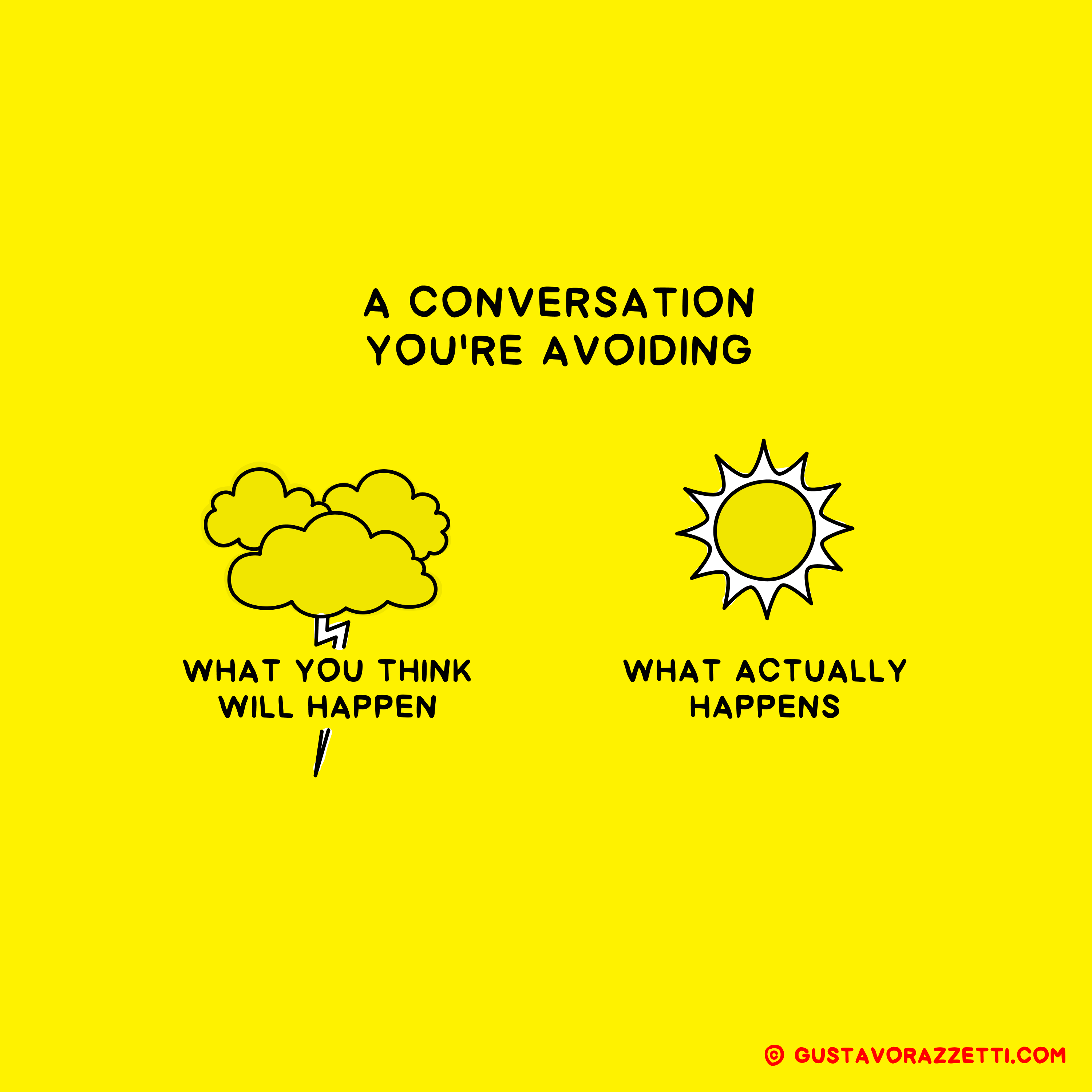
When a team avoids hard conversations, problems don’t disappear. They go underground. The avoided topic quietly shapes decisions, strains relationships and builds what I call conversational debt: the accumulating cost of what stays unsaid.
People rarely stay silent because they lack courage. My research shows they stay quiet because they’ve learned that speaking up changes nothing. Why raise an issue if it just gets parked, softened or dismissed? Over time, that belief becomes the team’s default setting.
Courage is not just a personality trait. It’s a choice: Speak up instead of surrendering your voice to silence. It’s the recognition that nothing will change unless someone goes first. When you see something isn’t addressed, you name it.
Initiate the conversation:
In meetings: “There’s something we’re not saying here that we need to address before we move forward.”
In team dynamics: “I can sense tension that’s affecting our work. Let’s name it before it gets worse.”
In feedback: “We’re not pushing back hard enough on these options. We need to raise our standards.”
When you speak up consistently, others will follow. Difficult conversations become normal, and problems stay small because the team surfaces them early.
From groupthink to perspective: Challenge the room
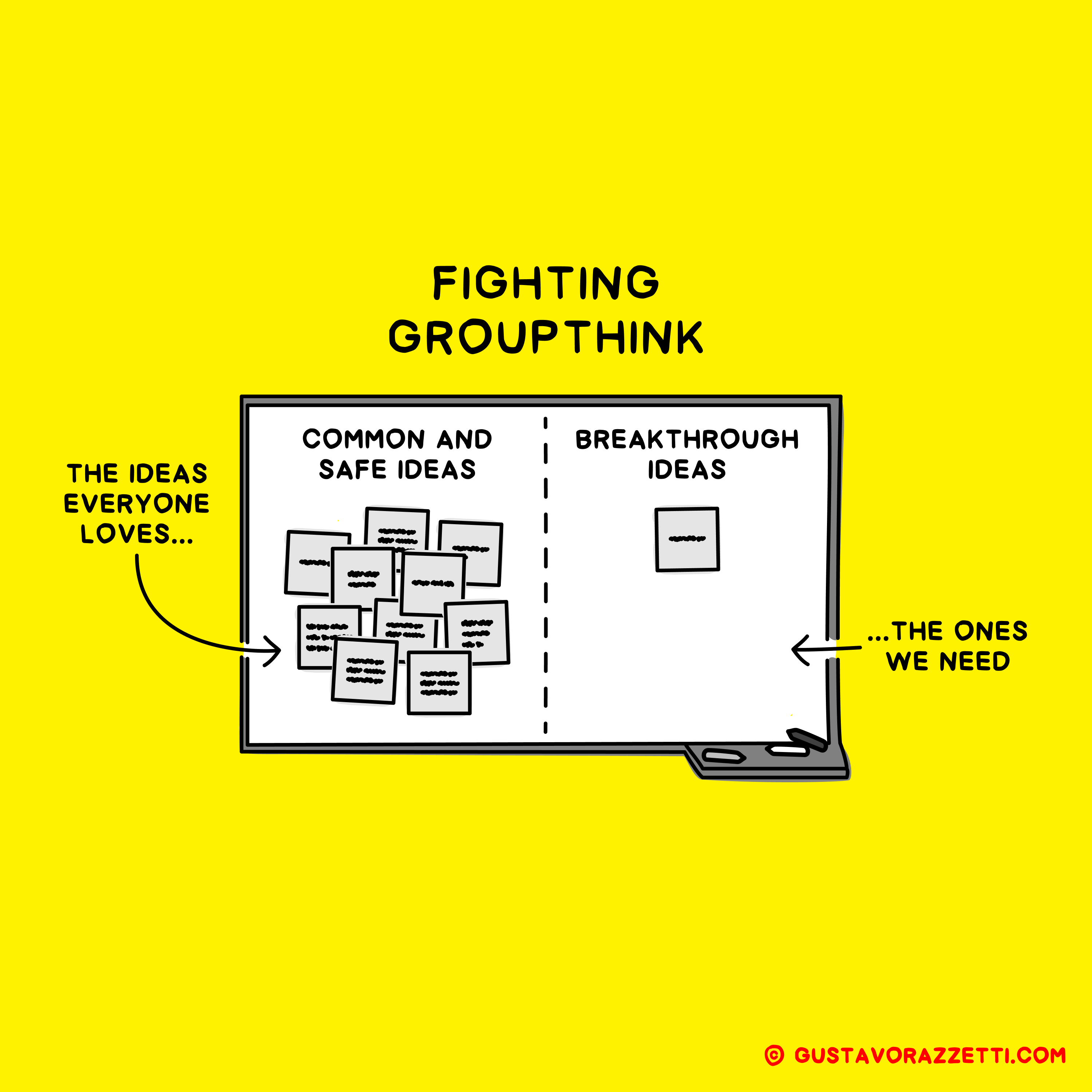
Groupthink rarely looks like conformity. It looks like harmony: Everyone’s on board, the energy is high and decisions get made fast. But psychologist Irving Janis, who coined the term after studying historical failures like the Bay of Pigs invasion, described it differently. Groupthink, he says, is choosing cohesion and agreement over critical thinking.
The trouble is that “harmony” often hides real disagreement. Teams trade expertise and firsthand observations for the comfort of consensus. They go along to get along. They defer to what everyone believes, even when the evidence points elsewhere. By surrendering their judgment to social pressure, people don’t just make poor decisions; they second-guess their own judgment.
Perspective is the antidote. It’s the choice to share what you see instead of surrendering your judgment to the room. You don’t care if your ideas feel unpopular. Challenging assumptions isn’t dissent for its own sake. It’s how teams surface blind spots before they get expensive.
Challenge conformity:
In strategic planning: “What’s our worst-case scenario if these assumptions are wrong? What aren’t we seeing?”
In decision-making: “Before we commit, what would our harshest critic say about this approach?”
In problem analysis: “I sense there’s disagreement in the room we haven’t surfaced. Who has concerns they haven’t shared?”
When you normalize challenging groupthink, you normalize being honest. You choose professional integrity over comfortable consensus.
From blame to responsibility: Own your part
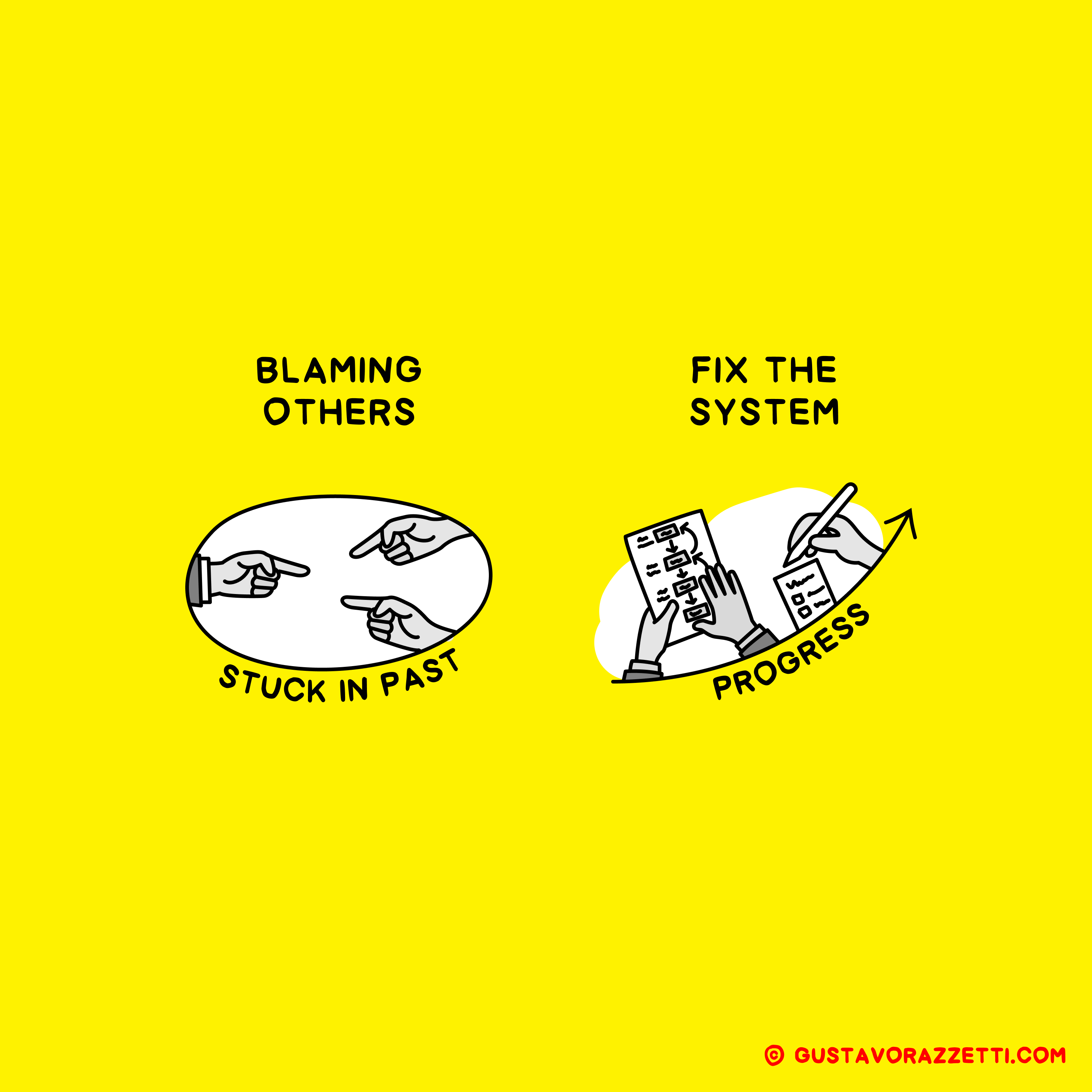
When something goes wrong, many teams jump to one question: Who’s responsible? The conversation turns into a trial to find a culprit. The team focuses more on protecting its reputation than on fixing the problem.
Blame is the brain’s shortcut for making sense of failure and preventing it from happening again. But it misfires. It shuts down curiosity, triggers defensiveness and keeps the team focused on the past.
Responsibility means owning your part. It requires three things: believing your actions matter (efficacy), seeing team success as personally meaningful (identity) and feeling genuinely connected to colleagues (belonging). When those three are present, responsibility becomes a reflex.
The commitment is simple: Look at what went wrong, not who is to blame. Examine what the team owns and what you own. Then name your part in both the problem and the solution.
Model owning your part:
In decision-making: “Let me start by sharing what I could have done better. Then let’s figure out what needs to happen next.”
In conflict: “I added to this tension by not raising my concerns sooner. Now let’s solve it together.”
In problem-solving: “Here’s what I can do to fix this. I have resources and ideas that could make a difference.”
Responsibility is contagious. When you model it, colleagues stop protecting their positions and start contributing to solutions.
Take the first step
You don’t need to fix all three patterns at once, and you probably can’t. But noticing how Avoidance, blame, or groupthink manifests is already progress.
CPR (Courage, Perspective, and Responsibility are the three pillars to building a Forward Talk culture.
Pick the pattern your team struggles with most. Then you can work on fixing it, one conversation at a time.
My new book, Forward Talk, is now out, and it’s an Amazon bestseller in three categories: Workplace Culture, Learning & Development, and even Interpersonal Relationships. Get your copy.