

Sam Altman’s Problem Isn’t Artificial Intelligence. It’s Human Disagreement
When leaders avoid conflict, smart people stop pushing back — and groupthink becomes a massive corporate liability.

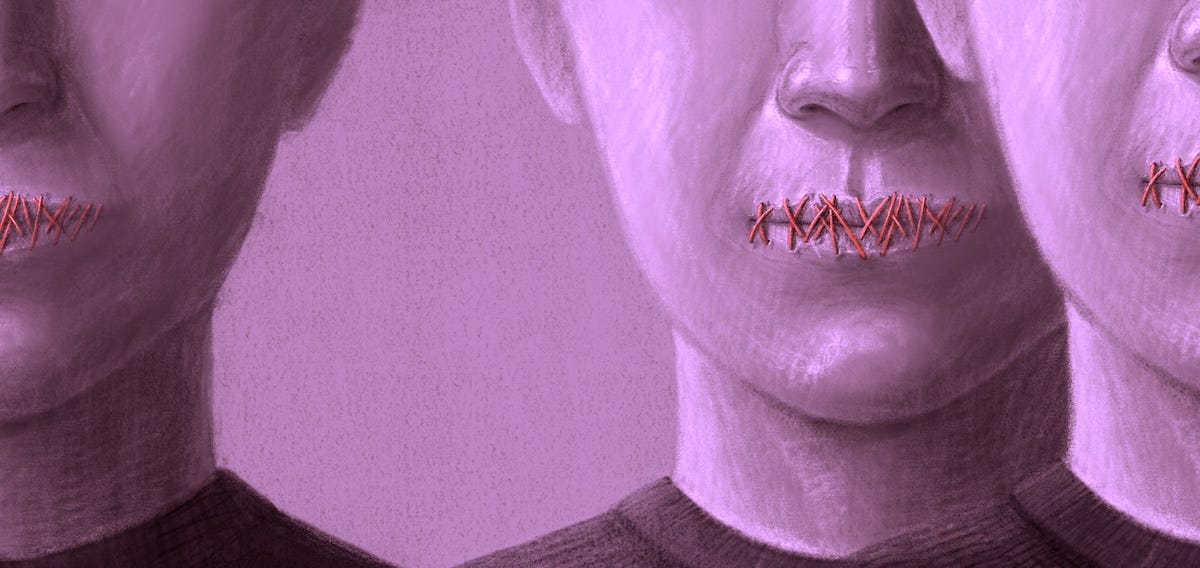
The CEO of the most valuable AI company in history just confessed his real problem. And it has nothing to do with artificial intelligence.
In April 2026, Sam Altman published a blog post responding to a New Yorker investigation. Somewhere between defending his character and processing a Molotov cocktail thrown at his home, he apologized for “being conflict-averse” which has “caused great pain for me and OpenAI.”
Great organizations are built on great conversations. And they collapse on the ones that never happen. Every time a leader avoids a hard truth, sidesteps a real tension, or makes disagreement feel risky, you pay a hefty price: conversational debt.
At OpenAI, the bill came due publicly. Not one, but multiple times. Altman kept avoiding the same issue for too long until it was impossible to manage.
Avoiding difficult conversations is not a CEO personality quirk. It’s a corporate liability. Here are five reasons why.
1. When disagreement becomes dangerous, groupthink takes over
Altman didn’t build a culture of silence through cruelty. He built it through conflict-aversion. When a leader consistently sidesteps tension and doesn’t model what it looks like to receive a hard truth, the team reads the signal: disagreement is not safe here.
The result isn’t debate. It’s groupthink. People stop saying what they think and start saying what’s expected. Helen Toner, a former OpenAI board member, testified that employees were “scared” to go against Altman. That’s not a description of a tyrant. It’s a description of a room where groupthink had replaced honest conversation — not through force, but through accumulated avoidance.
Make disagreement safe, not comfortable. You don’t need a room full of people who agree with you. When dissent is welcome, problems get solved. When it isn’t, they only get bigger.
2. Leaders must be open-minded, not just persuasive
Altman has always been a charmer. Multiple insiders describe him as extraordinarily persuasive in one-on-one conversations. That’s precisely the problem. Persuasion is good to drive buy-in. But dissent is critical to build a better solution, especially in the fast-paced, AI-driven world.
When the leader wants to win instead of learn, people stop bringing real thinking to the room. They manage how they present ideas, not what the ideas actually are. Conversations become performative, not productive.
After sharing your view, invite your team to challenge your thinking. To tell you what they think you’re missing. Leaders who seek approval stop learning. Leaders who invite challenge make smarter decisions.
3. Unresolved disagreement doesn’t disappear. It goes public.
The board coup. Multiple experts’ departures. The whistleblower SEC complaint. The NDA scandal. The New Yorker investigation. This pattern of avoidance escalated into a federal trial. Elon Musk, who co-founded OpenAI with Altman in 2015, sued him over the company’s conversion to for-profit status. A disagreement that couldn’t be resolved internally ended up in a courthouse. That’s an expensive way to have a conversation.
Each crisis had its own news cycle and characters. But the structure was identical every time. A tension went unaddressed. People stopped raising it internally. And eventually surfaced outside: in a courtroom, on X, in a 16,000-word investigation. Conversational debt works like financial debt. Deferring the payment doesn’t reduce the balance. It compounds. At OpenAI, that interest was paid in governance collapse, talent loss, and reputational damage.
Learn to read the early warning signs. If the same concern keeps surfacing in different forms, the conversation hasn’t actually happened yet. Address it directly before the bill comes due.
4. The people who leave are the signal. Ignoring it is not cheap.
Dario Amodei. Ilya Sutskever. Jan Leike, who posted publicly that safety culture had “taken a backseat to shiny products.” Daniel Kokotajlo, who forfeited approximately $2 million in vested equity rather than sign a non-disparagement agreement and stay quiet.
Each OpenAI departure was part of a pattern. All early signals were dismissed until people went silent. My own research shows 64.6% of people stop speaking up when nothing changes. And the real cost is not just a headcount problem.
The exit interview is almost always too late. By the time someone resigns, the real conversation is already six months overdue. Ask your best people regularly what they’ve stopped raising and why.
5. When people can’t disagree inside, they build your competition outside
Anthropic was founded in 2021 by Dario and Daniela Amodei, along with several senior OpenAI colleagues. Their decision was brutal: arguing with someone else’s vision was unproductive. So they stopped arguing and started building.
The product they built — Claude, where values are made explicit, debatable, and revisable — is a direct expression of a team that decided honest disagreement was non-negotiable. That principle isn’t just a technical choice but a cultural statement. Anthropic’s $380 billion valuation is the market’s verdict on what OpenAI lost when it silenced that conversation.
Disagreement surfaced early is a gift. It’s cheaper, faster, and far less damaging than when great ideas end up on your competitor’s desk.
Disagreement Is Your Friend, Not Your Foe
Teams don’t rise to the level of their potential. They fall to the level of their conversations. Sam Altman built one of the most powerful organizations in the world. He also made it harder for the people inside it to tell him the truth.
The most important question you can ask as a leader is not whether your team is aligned. It is whether your team has learned that speaking up is pointless. When disagreement dies, so does your business.
Change your conversations. Change your culture:
Check my new book Forward Talk: The Bold New Method for Getting Teams Unstuck
Join the Forward Talk program. Better performance starts with better conversations. Join the next cohort.
This article was originally published in MarketWatch (WSJ)